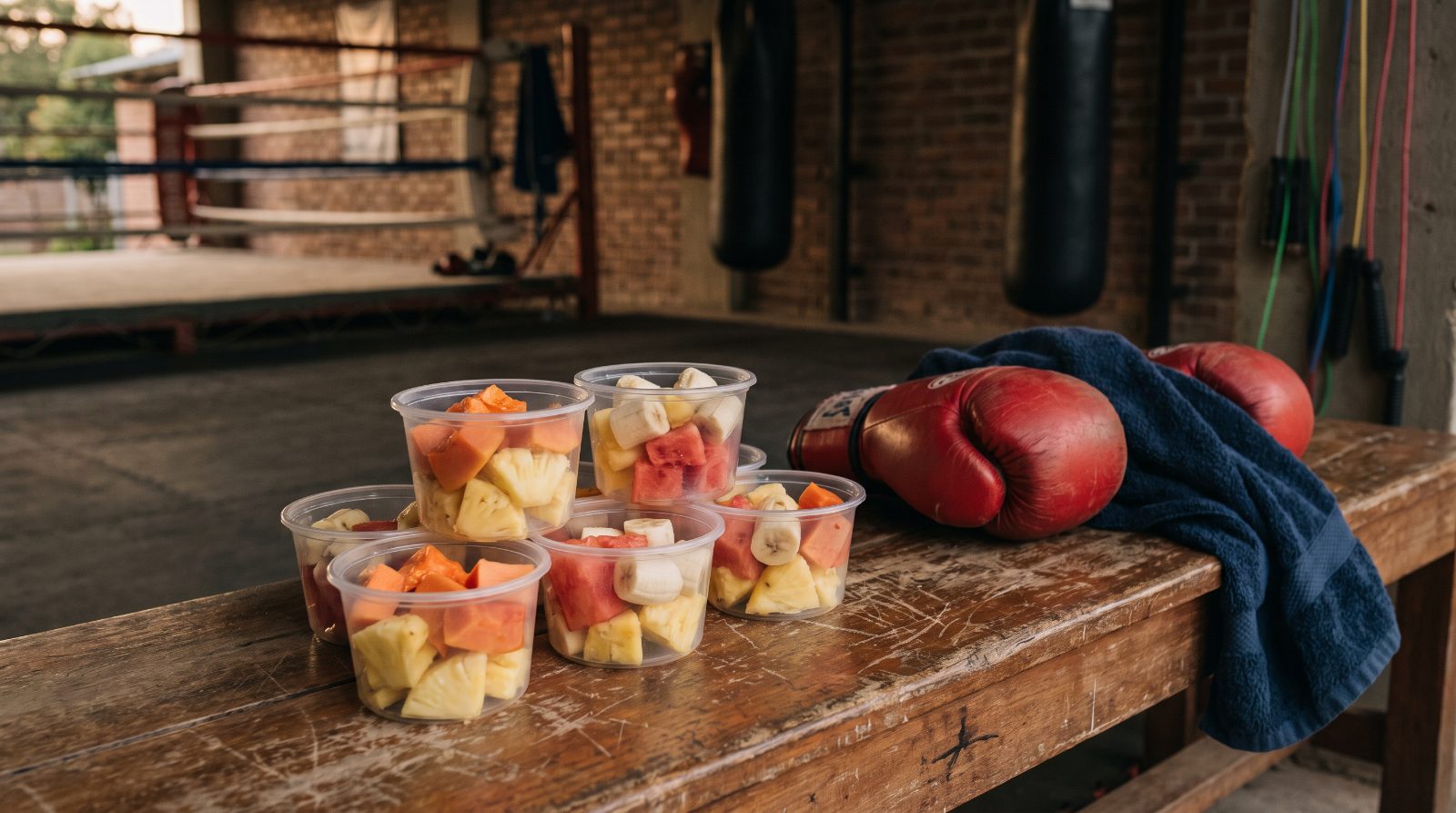
Some of the best business lessons I learned did not come from big decisions. They came from small things. One of them was a simple bowl of fruit.
A small idea on Fridays
When I was running my small kickboxing gym — open until 1 AM for people who could only train after work, as I describe in how I found a gap in the market — I started doing something extra. Every Friday, I made fruit cups myself and offered them to my clients after their training session.
It was not a big product launch. I just prepared them, put them out, and let people take one after training.
I did not make much profit
Let me be honest: I did not make much profit on those fruit cups. Once you count the fruit, the containers and the time to prepare them, the margin was small.
But profit was not the main point. The point was what it did for my clients.
Why clients loved it
Think about it from their side. Many of my clients were shop owners who trained late at night. After a hard session, on the way home, the easiest option is often junk food: something fast, fried and unhealthy.
Instead, right there in the gym, they could eat something fresh and healthy. No extra stop, no effort, no bad choice at midnight. It fit perfectly with why they came to train in the first place.
They really appreciated it. And then something interesting happened.
They asked for more
My clients started asking me to do it every day, after every session — not just on Fridays.
At the same time, I had a lot of demand for more time slots. Both things were growing: more people wanted to train, and more people wanted the fruit cups.
That was a clear signal. When customers ask you for more of something without you pushing it, you have found real value.
The real lessons from a fruit cup
1. Small extras create big loyalty
People remember how you made them feel. A small, thoughtful extra shows that you care about more than just taking their money. That builds loyalty that discounts and advertising cannot buy.
2. Fit the extra to your customer
The fruit cups worked because they matched my clients perfectly: health-minded people training late, with junk food as the alternative on the way home. The best extras solve a small problem your customers already have.
3. Profit is not the only value
The fruit cups were not a big money-maker. But they made the whole experience better, kept people coming back and made them talk about the gym. Sometimes a low-profit extra supports the high-profit core of your business.
4. Demand tells you what to build
I did not plan for fruit cups to become a daily request. My customers told me. Listening to that kind of demand is one of the cheapest forms of market research there is.
How to use this in your own side business
You can apply the same idea to almost any business:
- A freelancer can send a short summary or a useful checklist with every project.
- A small shop can add a handwritten thank-you note or a small sample.
- A tutor or coach can share a simple practice sheet after each session.
- A service business can follow up a week later to check that everything is still fine.
Keep it simple and affordable. The goal is not to give away your profit. It is to make your customer’s experience noticeably better at a small cost.
Watch what people ask for
Pay attention when customers ask for more of something:
- “Can you do this every day?”
- “Do you also sell this?”
- “Can I book another time?”
Each of those questions is a possible new product, service or price point. In my case, the demand for more time slots and more fruit cups showed me that the business could grow in more than one direction.
Why this matters for your finances too
There is a personal finance lesson in this as well. When you start a side business, it is tempting to spend money on things that look impressive: expensive equipment, a fancy logo, paid ads. But often the things that make the biggest difference cost very little. A homemade fruit cup cost me a few ingredients and some time. It did more for my business than a bigger advertising budget would have.
Spend where it improves the experience for your customer, not where it only looks good. That is the same principle I follow in my own life, as I explain in frugal living without feeling poor.
Keep the extra sustainable
One warning: an extra that is too expensive or takes too much time can become a burden. If customers love it and want it every day, think about how to make it sustainable. That could mean making it part of a package, charging a small price, or limiting it to certain days. Generosity works best when you can keep it up.
The bigger picture
A business is not just a product and a price. It is an experience. My clients came for kickboxing, but they also remembered the fresh fruit after a late session. That small detail made my gym feel different from a place where you just train and leave.
And as I learned again later with a pair of pink boxing gloves, sometimes one small extra can turn into a whole new line of demand. I write about that in the next article.
Make your extras pay off
Small extras work best when your prices leave room for them. Check your numbers with the price calculator, and see what your side business adds with the side income impact calculator.
Frequently asked questions
Is it worth offering something with low profit?
It can be, if it increases loyalty, brings in new customers or makes people stay longer. Look at the effect on your whole business, not only on the item itself.
How do I know which extra to offer?
Look at what your customers need just before or just after using your service. In my case it was a healthy snack after late-night training.
What if customers start expecting it?
That is a good sign. Decide whether to make it a standard part of your service, a paid add-on or a special for certain days.
Leave a Reply