I learned to sell by walking in. Door to door, business to business, with a flyer in my hand and no appointment. Over a few years I sold my own services and, later, the services of other local companies on commission.
The single habit that made the biggest difference was not a closing technique. It was what I did before the pitch even started.
People don’t buy from strangers
When you walk into a shop or knock on a door, the person in front of you has one question in their head: who is this and what do they want from me? Until that question is answered in a friendly way, they are not listening to your offer. They are waiting for you to leave.
Most beginners try to solve this by talking faster and explaining more. That makes it worse. The fix is the opposite: slow down and make a human connection first.
The compliment that opens the door
Before I started any sales pitch, I looked for something personal or something in their business that I genuinely liked. Then I said it.
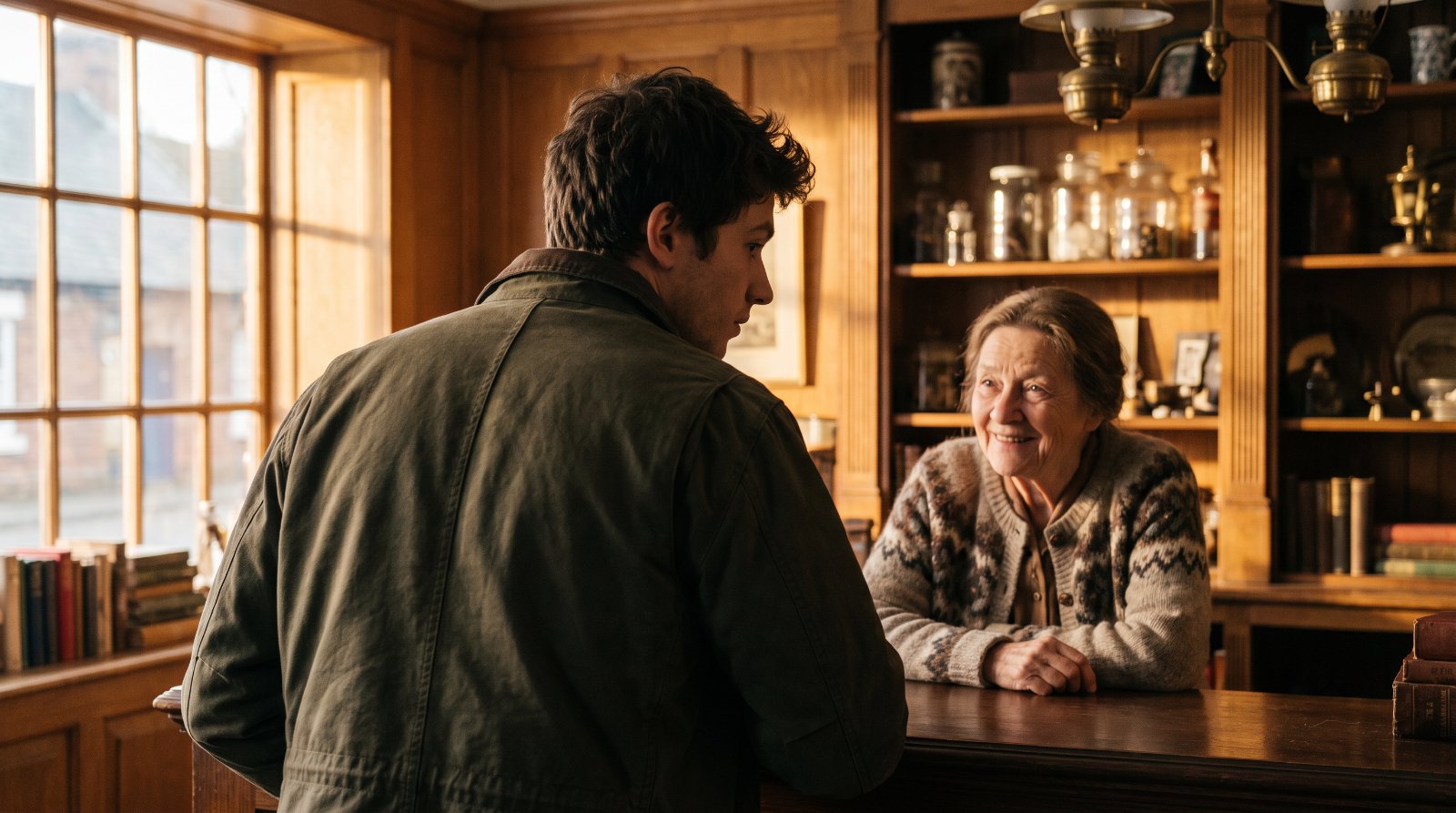
For example, if I walked into a shop finished in dark wood, with a classic, warm look, I would say to the owner: “I really like how you’ve done this place. The wood gives it a classic feel.”
That is not a trick. It only works if it’s true, and it’s almost always possible to find something true. A clean workshop. A nice sign. A well-arranged shelf. A friendly dog behind the counter. Owners put a lot of themselves into their business, and almost nobody notices.
What happens next is simple: we start talking about the shop, about how long they’ve had it, about the wood. Only after that do I explain why I came. By then, there’s already a small bond.
Why it works
There are three reasons this habit was so effective:
- It changes the role you’re in. You’re no longer “a salesperson”. You’re a person who noticed something about them.
- It makes people feel good. And people remember how you made them feel much longer than what you said.
- It gives you information. The short conversation tells you what they care about, which tells you how to frame your offer.
Over time I noticed that people really did remember me. Not my flyer, not my prices. Me, and the moment they had with me. That memory is what brought some of them back months later.
More tips that worked for me
The compliment is the opening. Here’s what I learned about the rest of the conversation:
Learn the craft, don’t just wing it
I read and watched a lot about sales tactics online, then tested what fit my personality. You don’t need to become a different person. You need a few principles that you practice until they feel natural.
Keep the pitch short
After the connection, explain your offer in a few sentences: what it is, why it’s good for them, what it costs. If they’re interested, they’ll ask questions. Questions are a good sign.
Lead with their benefit
Not “this company is great” but “you’ll pay less and you won’t have to think about it”. People care about their own problem, not your product.
Leave something behind
A flyer or card with a phone number. Many people won’t decide on the spot, but they keep the card. Some of my customers called weeks later.
Don’t push after a no
A friendly no today can be a yes in three months, if you leave on good terms. Thank them and move on. You’ll probably pass by again.
Talk about what else you do
While chatting, I sometimes mentioned my own services as well. Some people weren’t interested in the main offer but needed something else I could help with. I wrote more about that in how one customer can pay you twice.
What rejection really means
You will hear no much more often than yes. That’s not a sign you’re bad at it. It’s the nature of in-person sales. Most people simply don’t need the service right now.
What helped me was thinking in numbers instead of in single conversations. If one in ten conversations leads to a customer, then every no brings you closer to the next yes. And because I combined sales stops with routes I was already driving, a no didn’t cost me much. I describe that system in how to build a local network on your daily route.
Sales is a skill you keep forever
The best part of learning to sell in person is that it’s never wasted. It helps when you negotiate a salary, buy a car, rent a house, or start your own business later. I first learned it for my own small business, then used the same skill to sell other companies’ services on commission.
Every period that I did it, I got a bit sharper. Not because of a secret script, but because I kept practicing the same simple things: notice something real, start a human conversation, keep the offer short, and leave a good feeling behind.
Turn the skill into income
If you’re thinking about selling as a side income, estimate what a few extra customers a month could mean with the side income impact calculator.
Frequently asked questions
Is door-to-door sales still effective?
Yes, especially for local services and small businesses, where trust and personal contact matter. Many small businesses get few visitors with a real offer, so a friendly, prepared person stands out.
What should I say first when I walk into a business?
Greet them, then say something genuine you notice about their place or work before mentioning why you came. Keep it honest and short.
How do I handle rejection in sales?
Treat it as part of the numbers. Thank the person, leave a card, and move on. A polite exit keeps the door open for later.
Do compliments come across as fake?
Only if they’re fake. Comment on something you actually like, and be specific. “I like how you’ve done the wood here” sounds real. “Nice shop” sounds like a script.
Leave a Reply