If you want to know how to save money for a house on an ordinary income, this is the honest version: no inheritance, no shortcuts — just a high savings rate and doing the work myself.
Most people treat rent as a fact of life. I treated it as the biggest leak in my budget. Years ago I made one decision that still shapes everything I do with money: I would save nearly everything I earned and build my own home instead of paying someone else’s mortgage.
In this article I share how I did it, what it cost me in the short term, what it gives me today, and what you can take from it even if building a house is not your goal.
Why rent is the biggest leak in most budgets
For most people, housing is the largest monthly cost. Rent is paid every month, it usually goes up over time, and at the end you own nothing. Of course, renting can make sense in some situations: it is flexible, and you are not responsible for repairs. But if your goal is long-term financial freedom, a lifetime of rent is one of the heaviest costs you can carry.
When I looked at my own budget, the conclusion was simple. If I could remove rent, a large part of my income would be free forever. That made the sacrifice worth it.
Saving almost everything
There was no secret income, no inheritance and no lucky investment. There was just a long stretch of saying no. No new clothes, no eating out, no upgrades. Every month, the gap between what came in and what went out went into the house.
A high savings rate is the engine behind almost every story like this. Your income matters, but what you keep matters more. Someone with an average income and a high savings rate can often build more than someone with a high income who spends everything.
How I kept my savings rate high
- I kept fixed costs as low as possible.
- I used a simple two-budget system for all flexible spending.
- I drove simple, older cars bought with cash and never had a car payment.
- I used side income to speed up savings instead of raising my lifestyle.
- I treated every purchase as a choice between that thing and my house.
Doing the work myself
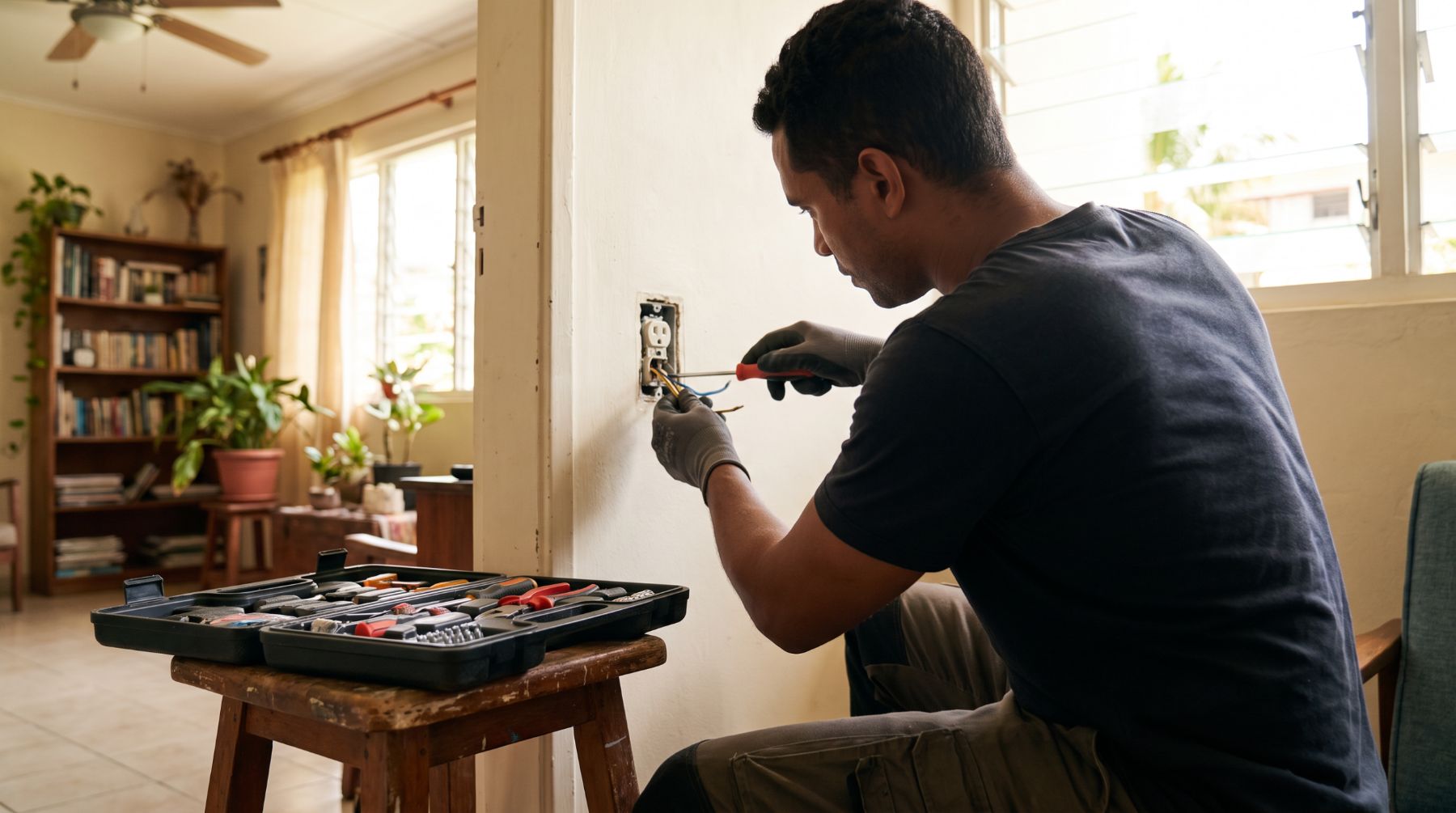
Hiring out every job would have doubled the cost. So I learned. Electrical work, plumbing, small construction jobs — if I could learn it safely, I did it myself. It was slower, but every hour of my own labour was money that stayed in my pocket.
Learning these skills was not always easy. Some jobs took several tries. But the knowledge stays with you. Today, when something breaks, I can usually fix it myself instead of paying someone. That keeps saving money years after the house was finished.
An important note: some work, especially electrical and structural work, can be dangerous or legally require a licensed professional. Know your limits, follow local rules and get help where it matters.
Building step by step
A house does not have to be built all at once. Building in phases, as savings allow, means you avoid large debts. It takes longer, but it lets you move forward without depending on a bank. Each finished step is progress you own completely.
The hardest part: patience
The biggest challenge was not the work or the money. It was patience. Years of saying no while others enjoyed new things, holidays and nice dinners. There were moments when it felt like everyone else was living and I was just saving. But I knew what I was building, and that kept me going.
Every month without rent is a month where the money keeps working for me instead of for a landlord.
What it gives me today
Today I pay no rent. That one fact changes my whole financial picture. A big part of my income is free to save and invest, and a bad month is never a crisis.
Without rent, my monthly costs are low and predictable. That makes it much easier to keep investing in a simple index fund, handle surprises and say no to things I do not want. The years of sacrifice bought me decades of breathing room.
How to save money for a house on an ordinary income
- Decide on the goal. Write down what you are saving for and roughly how much it will cost.
- Attack your biggest costs first. Housing, transport and food usually matter more than small daily purchases.
- Set a high savings rate. Move savings out on payday, before you can spend it.
- Add a side income. Put all extra income straight toward the goal.
- Learn useful skills. Basic repairs and building skills can save a lot of money.
- Avoid lifestyle creep. When income goes up, keep your spending the same.
What you can take from this
- You may not build a house, but you can attack your biggest fixed cost first.
- Sacrifice is temporary; the freedom it buys lasts for years.
- Learning basic repairs pays you back for life.
See your own savings rate with the free savings rate calculator, or read my two-budget system.
Plan your own house fund
Track how fast you are saving with the free Savings Rate Tracker, and see your current savings rate in seconds with the savings rate calculator. A Save-for-a-House planner is coming soon — subscribe below to get it first. Want a deadline? The save-for-a-house calculator shows how long your house fund takes and what you need to save per month.
Frequently asked questions
Can you really save for a house on an average income?
Yes, but it usually takes time and a high savings rate. Cutting your biggest costs, adding a side income and avoiding debt make the biggest difference.
How long does it take?
It depends on your income, costs and housing prices where you live. For most people it takes years, not months. Building or buying in phases can help you move forward without a large loan.
Is it better to rent or own?
Renting offers flexibility and fewer responsibilities. Owning without a mortgage removes one of the largest monthly costs for good. The right choice depends on your situation, but if long-term freedom is your goal, removing housing costs is very powerful.
Do I need construction skills?
No, but basic skills save money. Start with small repairs and learn step by step. Always use licensed professionals for dangerous or regulated work.
Leave a Reply